


Coffee Flavor Wheel Explained for Beginners

If you have ever read the tasting notes on a bag of coffee and felt confused, you are not alone. Terms like citrus, chocolate, or floral can feel intimidating if you are new to coffee tasting. That is where the coffee flavor wheel comes in. This guide will walk you through the basics so you can better understand what you are tasting and enjoy your coffee with more confidence.
What Is the Coffee Flavor Wheel?
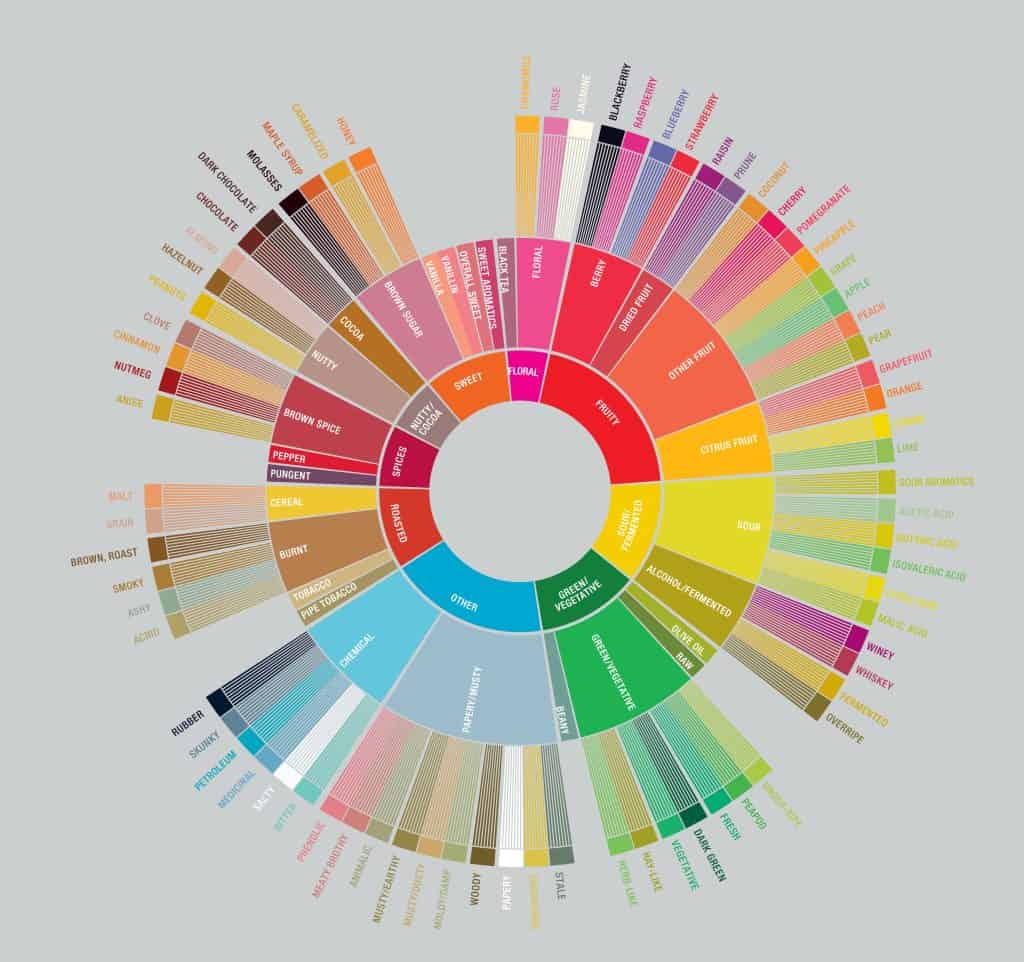
The coffee flavor wheel is a visual tool designed to help people describe and identify coffee flavors. It is commonly used by professionals, but it is just as helpful for home brewers. Think of it as a map for your taste buds. Instead of guessing what a coffee tastes like, the wheel gives you words and categories to guide your experience. At its core, the wheel organizes flavors from general to specific, making it easier to put words to what you smell and taste.
How the Coffee Flavor Wheel Is Structured
The wheel is divided into three main layers:
- Inner ring: Broad coffee flavor categories like sweet, fruity, nutty, or roasted
- Middle ring: More defined coffee flavor profiles, such as berry, brown sugar, or cocoa
- Outer ring: Detailed coffee tasting notes like blueberry, dark chocolate, or almond
This structure is great for coffee tasting for beginners because it encourages you to start simple. You do not need to identify exact flavors right away. Recognizing that a coffee tastes “fruity” is a great first step.
Common Coffee Flavor Categories Explained
Understanding the main categories helps with understanding coffee flavors as a whole and makes tasting more approachable.
- Fruity flavors often appear in lighter roasts and coffees from Africa. These can include citrus, berry, or stone fruit notes.
- Sweet flavors might remind you of sugar, honey, caramel, or chocolate.
- Nutty and cocoa notes are common in medium roasts and often taste smooth and comforting.
- Floral and herbal flavors can be subtle and aromatic, similar to tea or flowers.
- Roasted flavors include smoky, toasted, or spicy notes and are more common in darker roasts.
This coffee flavor guide helps you see that flavors are not random. They follow patterns based on origin, roast, and brewing method.
How to Use the Coffee Flavor Wheel
Many people wonder how to taste coffee properly. The wheel makes the process easier and more structured.
Start by smelling your coffee. Aroma plays a huge role in coffee flavor. Next, take a small sip and let it coat your tongue. Ask yourself broad questions first. Is it sweet, bitter, or fruity? Once you choose a general category, look at the wheel and narrow it down.
Using the wheel is not about being perfect. It is a coffee sensory guide, not a test. With practice, identifying coffee notes on packaging becomes much easier.
Factors That Influence Coffee Flavors
Several factors shape specialty coffee flavors and how they appear in your cup.
- Origin: Climate and soil affect flavor development
- Roast level: Light roasts highlight fruity and floral notes, while dark roasts emphasize roasted flavors
- Brewing method: Pour-over, espresso, and French press extract flavors differently
- Freshness: Old coffee loses clarity and complexity
Knowing these factors is important for beginner coffee tasting and helps explain why the same coffee can taste different at home than in a café.
Common Beginner Mistakes When Tasting Coffee
One common mistake is expecting coffee to taste exactly like the foods mentioned. Coffee flavors explained on a bag are comparisons, not literal ingredients. Another mistake is confusing bitterness with strength. Strong coffee is not always bitter, and bitterness does not always mean poor quality. Skipping aroma is another issue. Since smell heavily influences taste, ignoring it limits your ability to identify flavors.
How the Coffee Flavor Wheel Helps You Choose Better Coffee
The wheel is especially helpful when shopping. Many people struggle with how to identify coffee flavors they enjoy. By understanding the wheel, you can spot patterns in what you like. If you enjoy nutty and chocolatey coffees, you can look for those coffee flavor profiles on labels.
Over time, this builds confidence and makes exploring new coffees more enjoyable rather than overwhelming.
Simple Tasting Exercise for Beginners
A practical way to learn is to compare two coffees side by side. Brew them using the same method. Smell and taste each one, then use the coffee tasting wheel or coffee flavor chart on the bag to write down what you notice. This exercise trains your palate and improves your ability to describe flavors.
Final Thoughts
The coffee flavor wheel is one of the most useful tools for anyone who wants to enjoy coffee more deeply. You do not need special training or an expert palate. With patience and curiosity, the wheel helps turn vague impressions into clear observations.
Remember, taste is personal. There is no right or wrong answer when it comes to flavor. The goal is not perfection but enjoyment. By using the wheel and practicing regularly, you will gain a better understanding of coffee and discover flavors you may never have noticed before.
For an even better coffee experience, consider pairing your tasting adventures with Kitchables double-walled glass coffee mugs. These mugs keep your coffee hot longer while staying cool to the touch, allowing you to savor every sip without rushing. The elegant, clear design also lets you admire the color and clarity of your brew, enhancing your enjoyment of the flavors you identify using the coffee flavor wheel.