

Why Coffee Crema Forms (and What It Says About Your Brew)

If you have ever pulled a shot of espresso and noticed a golden-brown layer floating on top, you have seen coffee crema in action. This rich, velvety layer is often associated with a perfect espresso shot, but what exactly is it and what does it reveal about your brew?
Understanding espresso crema can help you improve your technique, dial in your grind, and refine your overall espresso brewing process at home.
What Is Coffee Crema?
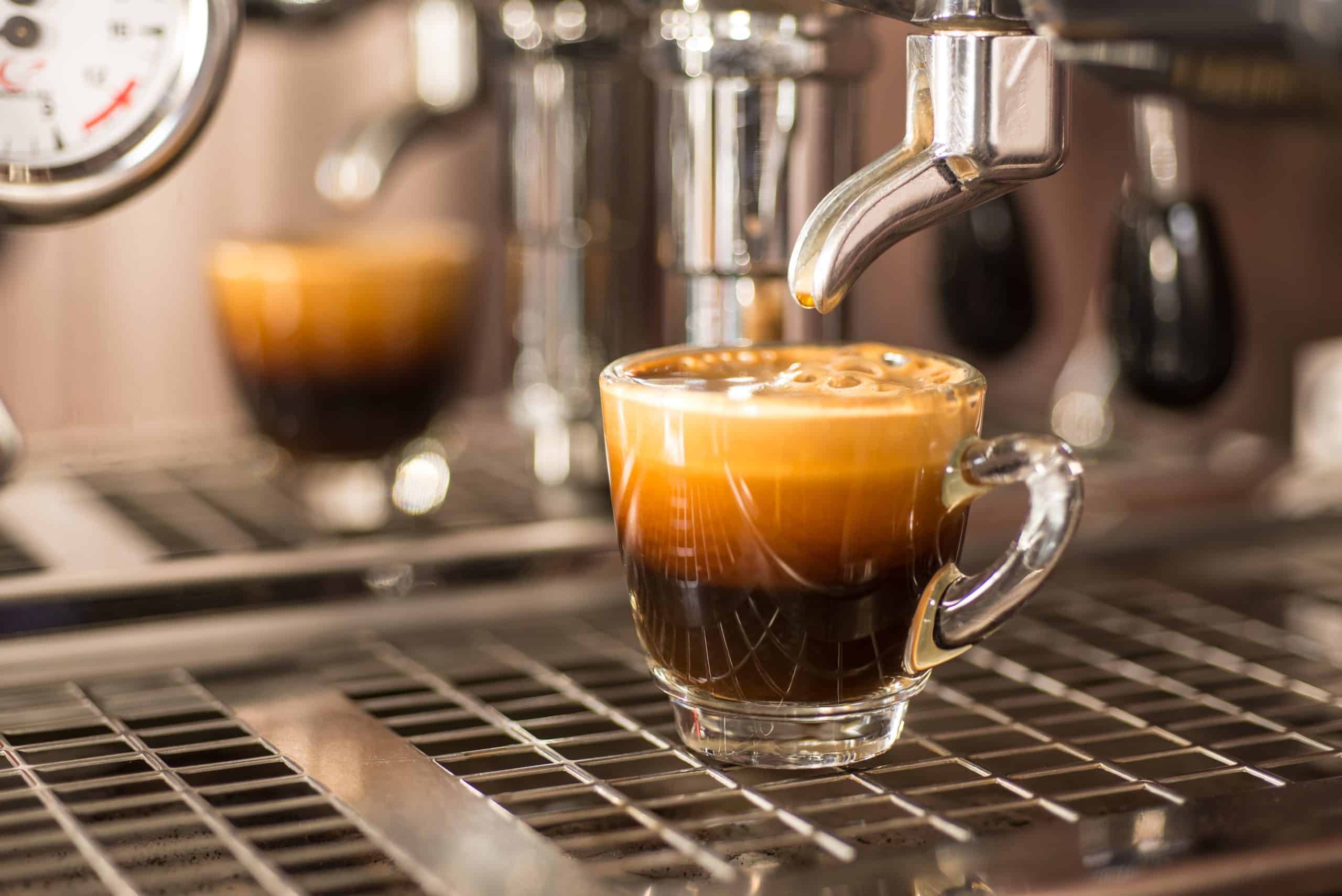
Many people ask, what is coffee crema? Crema is the thin layer of tiny bubbles that forms on top of espresso during extraction. It is created when hot water is forced through finely ground coffee under high pressure, trapping gases and emulsified oils in the process.
When comparing crema vs foam, the two are not the same. Foam is typically made from air and liquid, while crema forms from carbon dioxide and coffee oils suspended in the espresso. Crema only appears when pressure is involved, which is unique to espresso.
The Science Behind How Crema Forms
To understand how crema forms, it helps to look at pressure and chemistry. During roasting, beans trap carbon dioxide inside their structure. When brewing, pressure from the espresso machine forces hot water through the grounds during extraction. This process releases carbon dioxide and emulsifies natural oils. The result is the golden layer that defines a well-pulled shot. Without sufficient pressure, the espresso brewing process will not produce proper crema.
Key Factors That Affect Crema
Fresh Coffee Beans
Using fresh coffee beans is essential. Over time, beans lose carbon dioxide through coffee degassing. If beans are too old, crema may appear thin or disappear quickly. If you are wondering how to get good crema, your first priority should be freshness. Make sure to store your coffee beans properly to maintain their quality.
Coffee Roast Level
Your coffee roast level influences crema as well. Darker roasts often produce more visible crema because they release gas more easily and contain more surface oils. Lighter roasts can still produce quality crema, but dialing in on your grind size becomes even more important.
Espresso Grind Size
Proper espresso grind size directly impacts flow rate and extraction balance. If the grind is too coarse, water moves too quickly and can result in under extracted espresso with pale, weak crema. If the grind is too fine, you may experience over extracted espresso, which can produce darker crema and bitter flavors. Adjusting grind size is one of the most effective espresso brewing tips for improving consistency.
Espresso Machine Pressure
Consistent espresso machine pressure ensures proper gas release and oil emulsification. If pressure is too low, crema may not form correctly. Stable pressure is crucial for achieving a perfect espresso shot.
Most espresso machines are designed to brew at around 9 bars of pressure, which is considered the ideal range for balanced espresso extraction. When pressure is stable at this level, it helps extract flavors evenly and creates the rich, velvety layer of coffee crema on top.
Arabica vs Robusta
Comparing Arabica vs Robusta is important when it comes to crema. Robusta beans naturally create more crema because they contain higher levels of carbon dioxide and lipids. This is why many espresso blends include some Robusta to enhance body and crema production.
What Crema Says About Your Brew
Crema offers visual clues about your shot quality. Thin and pale crema often signals under extracted espresso or stale beans. Very dark or uneven crema can indicate over extracted espresso. A thick, hazelnut-colored layer usually reflects balanced espresso extraction.
Although crema contributes to aroma and mouthfeel, it does not guarantee flavor quality on its own. A well-balanced espresso brewing process matters more than crema volume alone.
How to Improve Espresso at Home
If you want to improve espresso at home, focus on the fundamentals:
- Choose fresh coffee beans and store them properly.
- Allow appropriate coffee degassing time after roasting.
- Fine-tune your espresso grind size.
- Maintain consistent espresso machine pressure.
- Experiment when comparing Arabica vs Robusta blends.
Applying these espresso brewing tips will help you produce more consistent crema and better overall shots.
Final Thoughts
So, why does espresso have crema? It forms because of pressure, carbon dioxide, and emulsified oils working together during espresso extraction. Understanding what coffee crema is and learning how crema forms gives you better control over your results. While coffee crema is a helpful visual indicator, it is only one part of the equation. Master your grind, freshness, roast level, and pressure, and you will consistently create a perfect espresso shot with a balanced and flavorful finish.
To enjoy your espresso and its delicate coffee crema to the fullest, the right mug matters. Kitchables offers elegant double walled glass coffee mugs that let you see the beautiful layers of your brew while keeping it perfectly warm. These mugs combine style and functionality, making every sip more enjoyable and allowing you to fully appreciate the aroma, color, and texture of your espresso. With Kitchables, your home coffee experience becomes both visually stunning and delicious.