

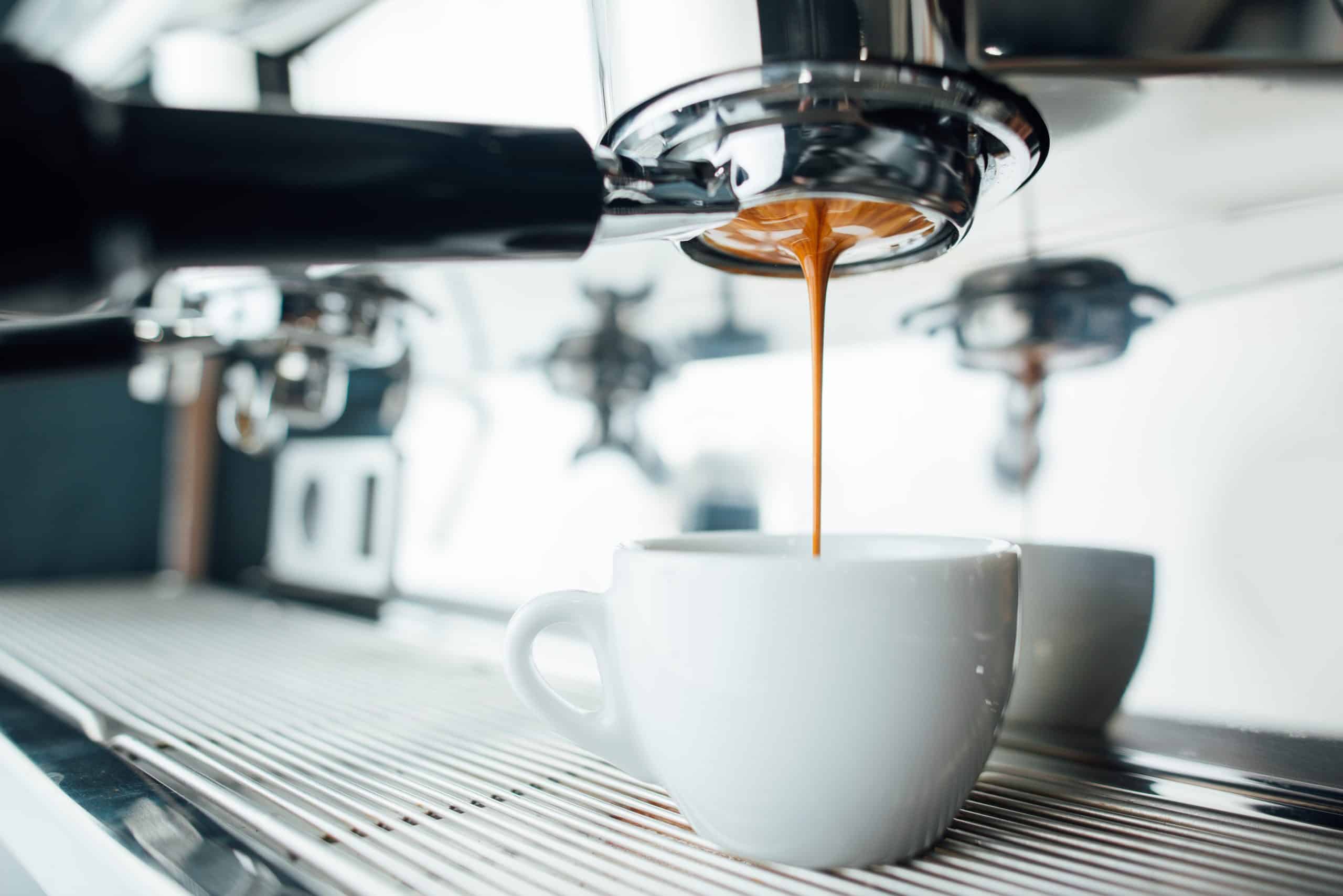
Espresso Extraction: Key Factors That Impact Your Shot
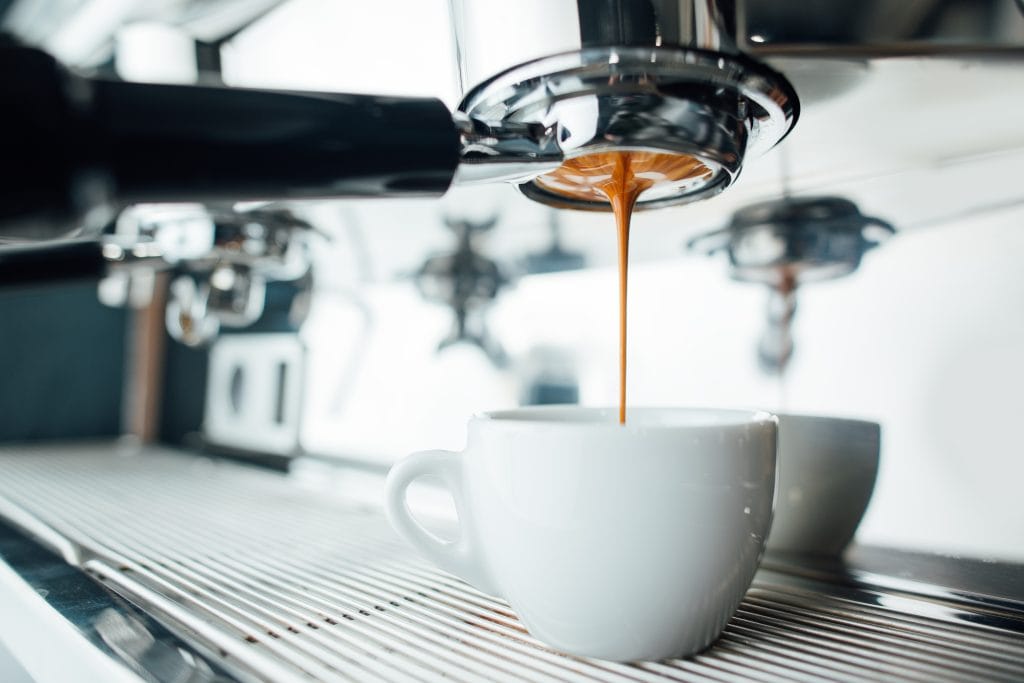
Pulling the perfect espresso shot is both an art and a science. Because espresso is brewed under pressure in a short amount of time, even small adjustments can dramatically change the flavor, aroma, body, and espresso crema. If you have ever struggled with sour or bitter shots, understanding the core variables behind espresso extraction can help you consistently brew a balanced, flavorful cup.
Coffee Beans and Roast Level
The foundation of great espresso starts with quality beans. Choosing the best beans for espresso depends on your taste preference, but freshness and roast level matter most. Espresso roast level influences solubility and flavor. Light roasts highlight acidity and fruit notes, while medium roasts offer balance and sweetness. Dark roasts often produce bold, chocolatey flavors with lower acidity.
Freshly roasted beans are ideal for strong espresso extraction, especially when brewed within the optimal freshness window. Your beans ultimately shape the overall espresso flavor profile, so start with quality before adjusting any other variable.
Grind Size
Espresso grind size is one of the most critical factors in brewing. Espresso requires a fine, consistent grind to slow down water flow and create proper resistance. If your grind is too coarse, water flows too quickly, leading to under extracted espresso that tastes sour and thin. If the grind is too fine, water struggles to pass through, resulting in over extracted espresso that tastes bitter and harsh.
To find the ideal setting, start with your grinder’s recommended espresso range and pull a test shot. If the shot runs too fast, adjust slightly finer. If it runs too slow, adjust slightly coarser. Learning how to dial in espresso often begins with adjusting grind size in small increments until your shot flows smoothly within the ideal time range.
Shot Time
Espresso shot time plays a direct role in flavor development. Most shots are extracted within 25 to 30 seconds, though this can vary slightly depending on recipe and roast. A short shot time usually signals under extracted espresso, while a very long shot time can lead to over extracted espresso. Monitoring time alongside yield helps you refine your espresso machine settings and ensures consistency in your home espresso brewing.
Dose and Yield
The espresso dose refers to the amount of ground coffee placed in the portafilter. A typical single shot uses about 7 to 10 grams of coffee, while a double shot usually requires 18 to 20 grams, though this can vary depending on your basket size, recipe, and personal preference.
Equally important is the coffee to water ratio, often called brew ratio. A common starting point is a 1:2 ratio, meaning 18 grams of coffee yields 36 grams of liquid espresso. Adjusting this ratio affects strength, body, and balance.
Water Temperature and Quality
Water makes up the majority of your espresso, so both temperature and mineral content matter. The ideal espresso brewing temperature usually falls between 90 and 96 degrees Celsius. Too cool, and extraction will be weak. Too hot, and bitterness can dominate.
Espresso water quality also impacts taste. Balanced mineral content enhances sweetness and clarity. Overly hard or soft water can flatten flavors or create scaling inside your machine.
Pressure
Standard espresso is brewed at about 9 bars of espresso pressure. Proper pressure ensures even extraction and helps produce rich espresso crema. Inconsistent pressure can cause channeling, uneven flow, and unpredictable flavors. Many modern machines allow pressure adjustments, giving you more control over the brewing process.
Tamping and Puck Preparation
Proper espresso tamping technique ensures even resistance in the coffee bed. You want to apply firm, level pressure without overcompacting the grounds. Keeping your wrist straight while tamping helps prevent puck tilting and uneven compression. Good espresso puck prep includes distributing grounds evenly before tamping. Poor distribution can cause channeling, which leads to uneven espresso extraction and inconsistent flavor.
Espresso Machine and Equipment
Your equipment plays a major role in home espresso brewing success. Machines with stable temperature and pressure controls allow more consistent results. Regular maintenance is equally important. Clean group heads, baskets, and portafilters prevent old oils from affecting the espresso flavor profile of your shots. Dialing in your grinder and adjusting espresso machine settings regularly ensures repeatable performance.
Dialing It All In
Learning how to dial in espresso requires patience and observation. Adjust only one variable at a time. Start with:
- Dialing in espresso grind size
- Confirming your espresso dose
- Tracking espresso shot time
- Monitoring your coffee to water ratio espresso
By carefully managing these variables, you can avoid under extracted espresso or over extracted espresso, and consistently pull the perfect espresso shot.
Final Thoughts
Mastering espresso comes down to consistency and balance. When you carefully control factors like grind size, dose, brewing temperature, pressure, and shot time, you set yourself up for a smooth, well-balanced cup with a rich layer of espresso crema. Paying attention to your coffee to water ratio and making small adjustments to your espresso machine settings along the way helps prevent under extracted espresso or over extracted espresso, making home espresso brewing more predictable and far more rewarding.
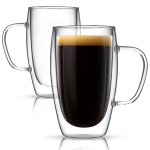
As you perfect your espresso technique, presentation and enjoyment go hand in hand. Kitchables’ double walled glass coffee mugs help elevate that experience by keeping your espresso warm while staying comfortable to hold. The clear glass design beautifully displays the rich color and creamy layers of your espresso, letting you fully appreciate every carefully crafted shot and turning your home brewing routine into a more stylish, café-like experience.