How Tea Brewing Vessels Change the Taste of Your Brew
Tea brewing is about more than simply steeping tea leaves in hot water. Learning how to brew tea properly means paying attention not only to water quality and tea brewing temperature, but also to the tea brewing vessels you choose. From improving tea aroma preservation to supporting tea flavor extraction, the right teapot can dramatically impact your results.
Why Tea Brewing Vessels Matter
Every cup of tea depends on controlled tea flavor extraction. When hot water meets tea leaves, compounds responsible for aroma, sweetness, bitterness, and body begin to dissolve. The stability of your tea brewing temperature plays a crucial role in this process.
Different tea brewing materials retain heat at different rates. If a vessel loses heat too quickly, extraction slows and the tea may taste thin. If it retains too much heat for delicate leaves, bitterness can develop. Maintaining this balance is essential for brewing a well-rounded cup and ensuring the flavors develop as intended. The material of your teapot can also affect how well delicate scents are preserved, particularly when using premium loose leaf teas.
Ceramic Teapots
Ceramic is one of the most popular tea brewing vessels because it offers reliable heat retention. This helps maintain a steady brewing temperature, which supports even flavor extraction throughout the steep.
For many tea drinkers, ceramic ranks among the best teapots for flavor, especially when brewing black, green, or herbal varieties. It produces well-rounded results and helps ensure the flavors develop consistently throughout the steep.
Glass Teapots
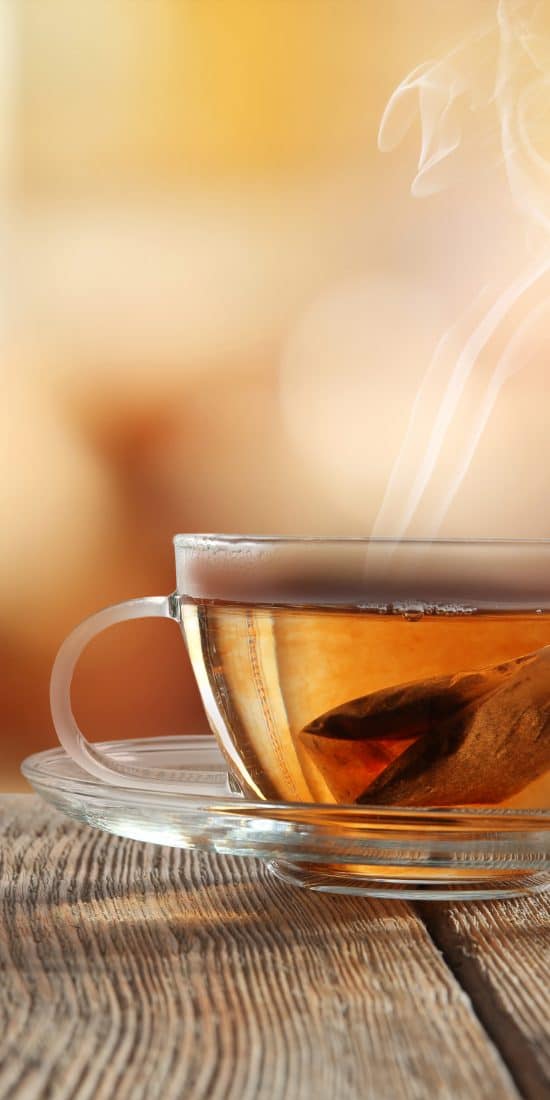
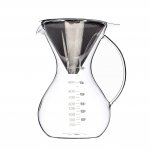
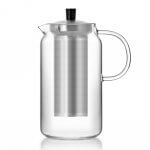
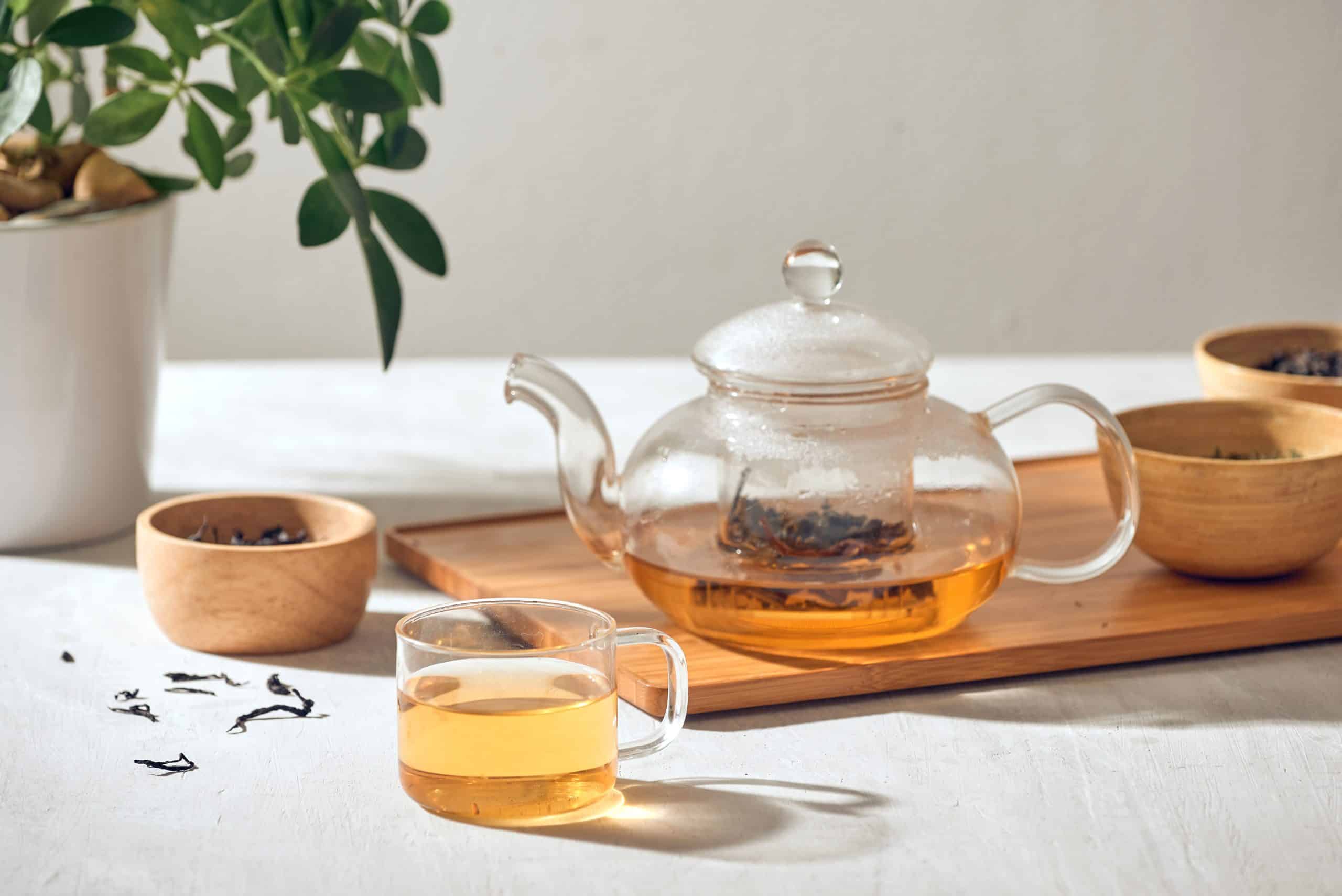
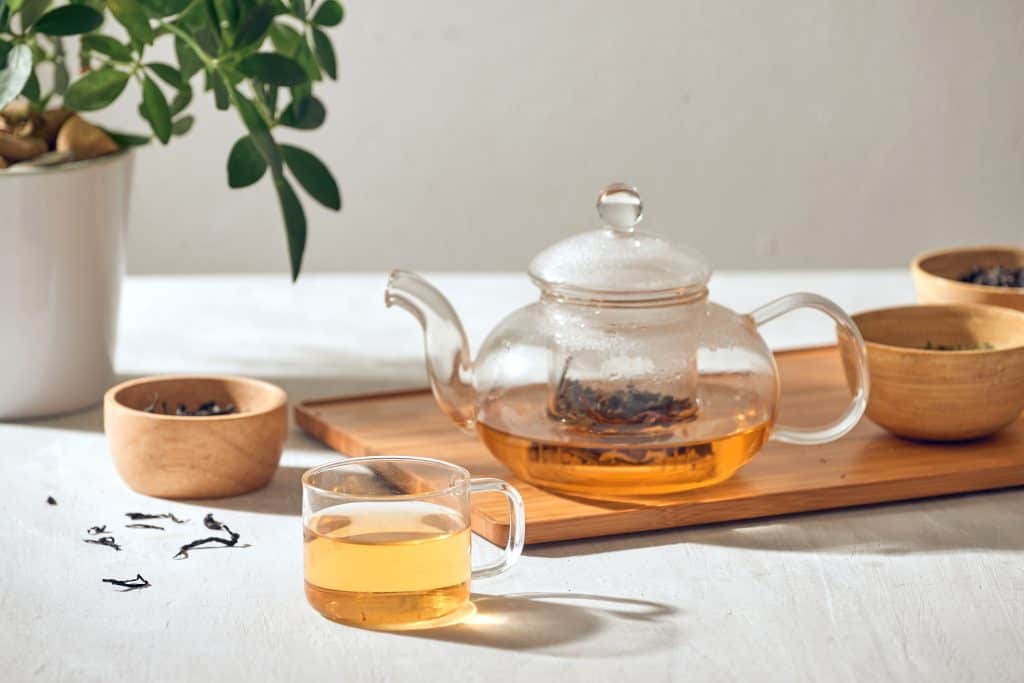
Glass teapots are a favorite for loose leaf tea brewing, particularly when visual presentation enhances the experience. Watching the leaves unfurl can help you gauge the brewing progress and adjust the timing as needed.
On top of this, glass is non-porous and does not absorb flavors or interact with the leaves, allowing the tea’s natural character to shine through. If you are experimenting with more precise brewing approaches, glass offers a clean and neutral environment that keeps the focus on the tea itself.
Clay Teapots
Clay teapots offer a traditional and time-honored way to prepare tea. Some types of clay are naturally porous and slowly absorb the oils from the leaves, which can subtly influence future infusions. With continued use, this process can add depth and complexity to the overall flavor.
However, clay vessels are usually best used for just one type of tea to help maintain the natural scent and avoid mixing flavors. For tea enthusiasts who enjoy studying how brewing changes over time, clay can offer a unique and evolving taste experience.
Stainless Steel Brewers
Stainless steel options are practical, durable, and convenient. While they are not always considered the best vessel for brewing tea in terms of nuanced flavor, they work well for everyday brewing.
To maintain ideal brewing results, it is important not to oversteep when using metal brewers, as metal can conduct heat more efficiently and may cause flavors to extract more quickly, which can lead to bitterness if the tea is left in the water too long. With mindful timing and attention to tea brewing temperature, stainless steel can still produce satisfying results.
Porcelain Teapots
Porcelain is often listed among the best teapots for flavor because of its smooth surface and balanced heat retention. It allows for better control of heat because porcelain is relatively thin and heats up and cools down more gradually than some other materials. This helps distribute warmth evenly during brewing, preventing sudden temperature spikes that could damage delicate tea flavors.
Cast Iron Brewing Vessels
Cast iron teapots are known for their durability and excellent heat retention. They warm up slowly but hold heat for a long time, helping keep tea warm during longer drinking sessions. This makes them especially useful for teas that benefit from steady, sustained warmth. Many cast iron vessels also include an enamel lining, which helps prevent metallic flavor changes while still providing the strength and longevity cast iron is known for.
How Vessel Shape Influences Flavor
Material is only part of the equation. The shape of your tea brewing vessels also impacts extraction. Wide vessels allow leaves to fully expand during loose leaf tea brewing, improving overall tea flavor extraction. Narrow vessels may concentrate heat, which can intensify extraction and alter tea steeping time and flavor.
Oxygen exposure can influence how flavors develop during brewing, surface area affects how much of the tea is in contact with hot water at once, and pouring flow impacts how evenly the liquid circulates through the leaves. Together, these factors help determine how fully and evenly the tea flavors are extracted.
Heat Retention and Extraction
Heat retention is fundamental to tea brewing science. If the temperature drops too quickly, flavor compounds may not fully extract. Maintaining a stable tea brewing temperature ensures balanced sweetness and controlled bitterness.
Different teas require different approaches. Green teas may need lower temperatures, while black teas benefit from sustained heat. Following a reliable tea steeping guide helps align vessel choice with ideal extraction conditions.
Mastering this balance is central to understanding how to brew tea properly and refining your personal tea brewing techniques.
Matching Vessels to Tea Types
Choosing the best vessel for brewing tea depends on what you drink most often.
- Green and white teas benefit from glass or porcelain, which support delicate tea aroma preservation.
- Black teas perform well in ceramic or cast iron vessels that stabilize tea brewing temperature.
- Oolong teas often thrive in clay, where repeated infusions enhance tea flavor extraction.
- Herbal teas are often best brewed in glass or ceramic vessels for balanced flavor development.
Common Mistakes to Avoid
Using the wrong vessel can undermine even the highest-quality leaves. Rapid heat loss can disrupt tea steeping time and flavor balance. Overheating delicate teas can cause bitterness and overpower subtle aromas.
Another common issue is switching between strong teas in porous clay vessels, which compromises tea aroma preservation. Reviewing your tea preparation methods and adjusting your tea brewing techniques can significantly improve your results.
Final Thoughts
The vessel you choose plays a powerful role in shaping flavor, aroma, and mouthfeel. Whether you prefer ceramic, glass, clay, porcelain, or stainless steel, choosing the best teapot is simply a matter of matching the material and shape of the vessel to the type of tea you enjoy brewing. Small changes in your brewing tools and methods can greatly influence flavor and help you make better-tasting tea more consistently.
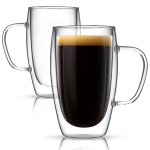
If you prefer brewing with glass, Kitchables offers elegant glass tea cups and teapots designed to combine style and function. The double-walled tea cups help maintain a steady temperature while keeping your hands comfortable, while the glass teapots provide a clean, neutral brewing experience that helps preserve natural aromas and maintain consistent flavor, making them a practical and beautiful choice for everyday tea enjoyment.