
How to Reduce Tannins in Tea Without Losing Flavor
Tea is a beloved beverage enjoyed all over the world, but sometimes it can taste harsh or overly strong. That sharp, dry sensation comes from tannins, natural compounds found in tea leaves. While tannins contribute to depth and structure, too many can overpower your cup. The good news is you can absolutely learn how to reduce tannins in tea without losing flavor by making a few simple adjustments to your brewing process.
What Are Tannins in Tea?
Tannins are naturally occurring polyphenols responsible for the astringent, slightly bitter taste in tea. Think of them as compounds that add complexity but can quickly become overwhelming if over-extracted. Understanding why tannins make tea bitter is key. The longer and hotter you brew, the more tannins are released, which is why controlling your method matters.
Why Tea Becomes Too Tannic
Several factors can make tea taste more intense than intended:
- Oversteeping which increases tannin extraction
- High water temperature which can scorch delicate leaves
- Incorrect ratios such as too much tea for the amount of water
- Low-quality tea where broken leaves release tannins faster
Techniques to Create a Smoother Tea
Watch Your Steeping Time
One of the easiest ways to learn how to make tea less bitter is to adjust your steep time.
- Green tea: 1–3 minutes
- White tea: 1–3 minutes
- Oolong tea: 2–3 minutes
- Black tea: 3–5 minutes
- Herbal tea: 5–7 minutes
Shorter steeping prevents over-extraction while still preserving flavor. If you’ve been searching for how to steep tea properly to avoid bitterness, this is your starting point.
Use the Right Water Temperature
Delicate leaves can be damaged by boiling water, while stronger teas can handle higher temperatures. Using water at the appropriate heat level ensures that flavors develop evenly without harshness.
- Green tea: 175–180°F (79–82°C)
- White tea: 175–180°F (79–82°C)
- Oolong tea: 195°F (91°C)
- Black tea: 212°F (100°C)
- Herbal tea: 212°F (100°C)
Using slightly cooler water slows tannin release and results in a smoother cup. This is one of the most effective tea brewing tips for better flavor.
Adjust Your Tea-to-Water Ratio
Using the right amount of tea for the volume of water prevents overly strong cups. The general rule is to use 1 teaspoon of loose leaf per 8 ounces of water. Using too much tea can make your drink overly strong and astringent. A balanced ratio helps reduce bitterness in tea while keeping the flavor intact.
Choose High-Quality Loose Leaf Tea
If you want to remove bitterness from tea naturally, upgrading your tea makes a difference. Whole loose leaf teas release flavor more gradually, while lower-quality tea bags have more dust and broken tea leaves that release tannins quickly. This simple switch can significantly improve taste and help make tea smoother.
Try a Quick Rinse
For certain teas like green and oolong, a quick rinse with hot water can wash away excess surface tannins. This technique is especially helpful if you are focused on how to reduce astringency in tea without affecting deeper flavors.
Add Milk or Lemon
Some additions can also help how to fix bitter tea:
- Milk binds to tannins, softening the taste
- Lemon brightens flavor and reduces perceived bitterness
Best Teas for Lower Tannin Levels
If you are particularly sensitive to bitterness, choosing the right tea type matters. A helpful low tannin teas list includes:
- White tea which is naturally delicate
- Green tea when brewed properly
- Herbal teas which are naturally tannin-free
These options are ideal if you want a gentler, less astringent experience.
Common Mistakes That Increase Bitterness
Even small habits can impact flavor. Avoid these if you want to consistently reduce bitterness in tea:
- Leaving tea bags in too long
- Using boiling water for delicate teas
- Reheating brewed tea
- Skipping proper measurements
Fixing these alone can dramatically improve your results.
Quick Brewing Guide for Low-Tannin Tea
If you want a simple checklist for how to brew tea without bitterness, follow this:
- Use fresh, high-quality tea
- Measure your tea carefully
- Control steeping time
- Adjust water temperature
- Taste and adjust as needed
Final Thoughts
Learning how to reduce tannins in tea is not about removing them completely. It is about balance. With the right steeping time, temperature, and technique, you can enjoy a smooth, flavorful cup without harsh bitterness. Small adjustments go a long way, and once you dial in your method, you will not have to wonder how to make tea less bitter again.
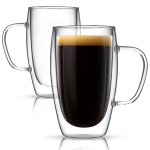
Perfecting your brew is only part of the experience. The tools you use can make just as much of a difference. With Kitchables, every detail is designed to enhance how you enjoy tea, from double-walled glass tea cups that keep your drink at the ideal temperature while staying cool to the touch, to thoughtfully crafted tea making accessories that simplify the process. When paired with the right brewing techniques, Kitchables helps turn a simple cup of tea into a smoother, more enjoyable ritual you can look forward to every day.